Featured Analysis
A sample of our work in practice. Case studies below are a sample of how we work: using detailed data analysis and thermal simulation to turn real building challenges into practical design decisions.

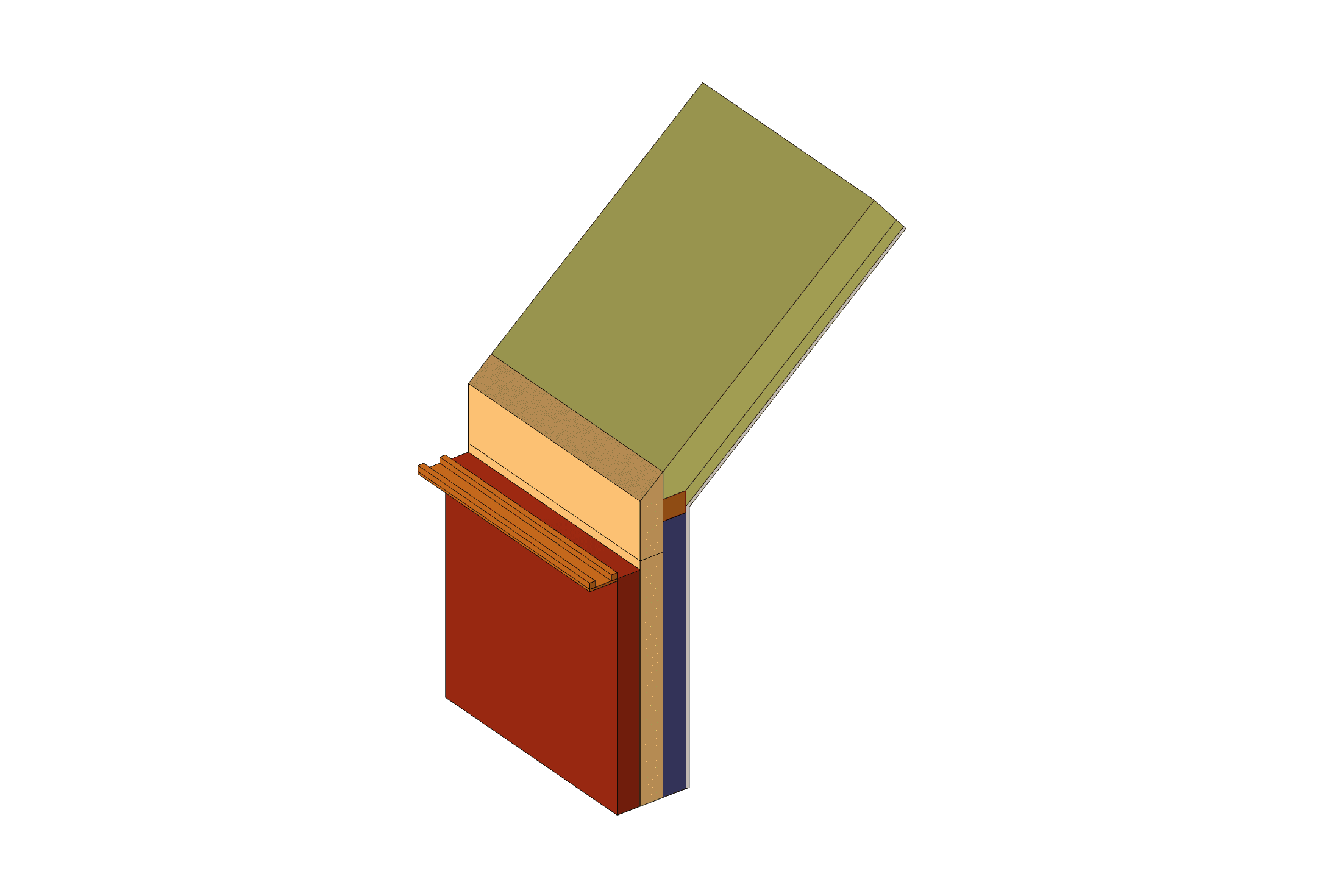
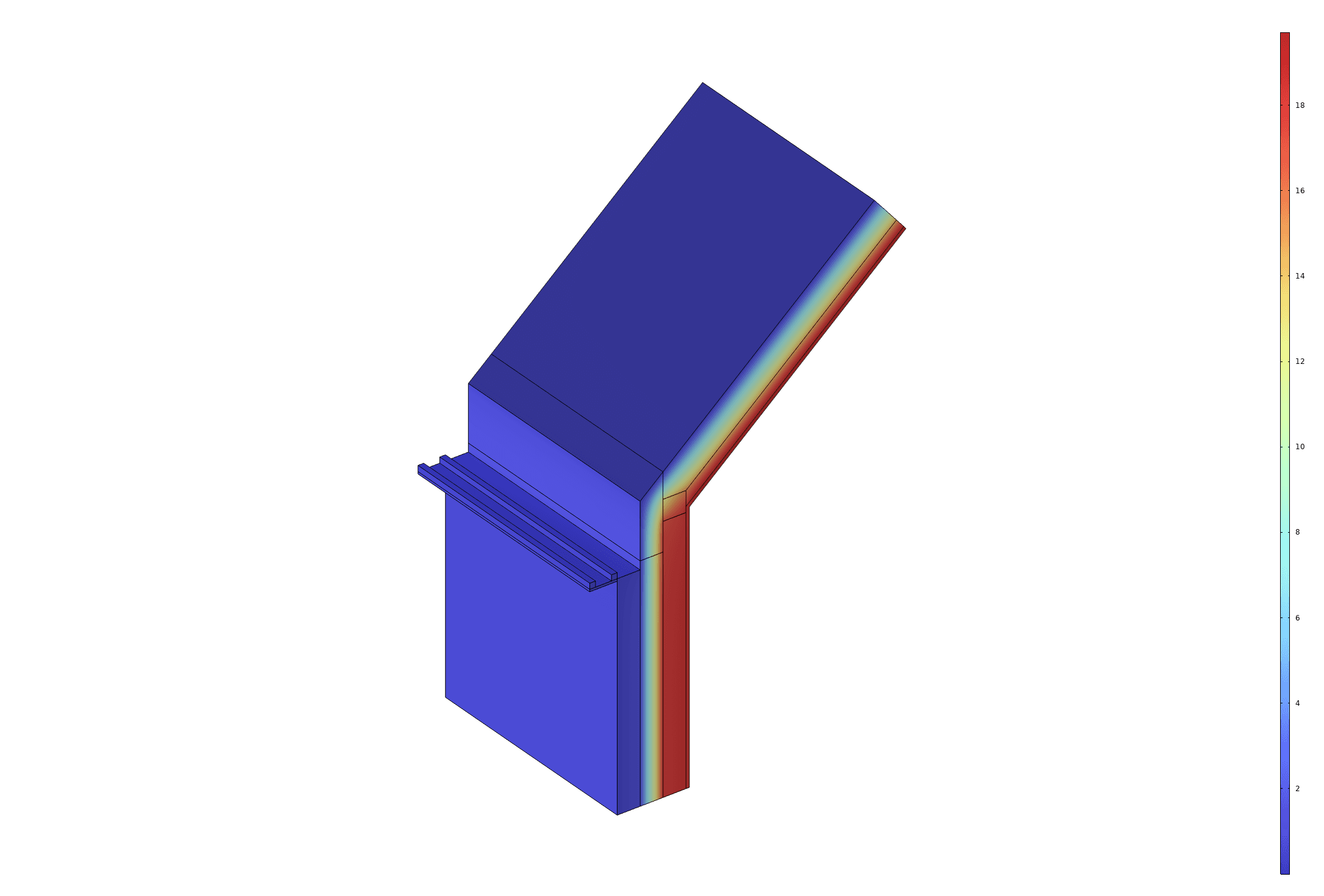
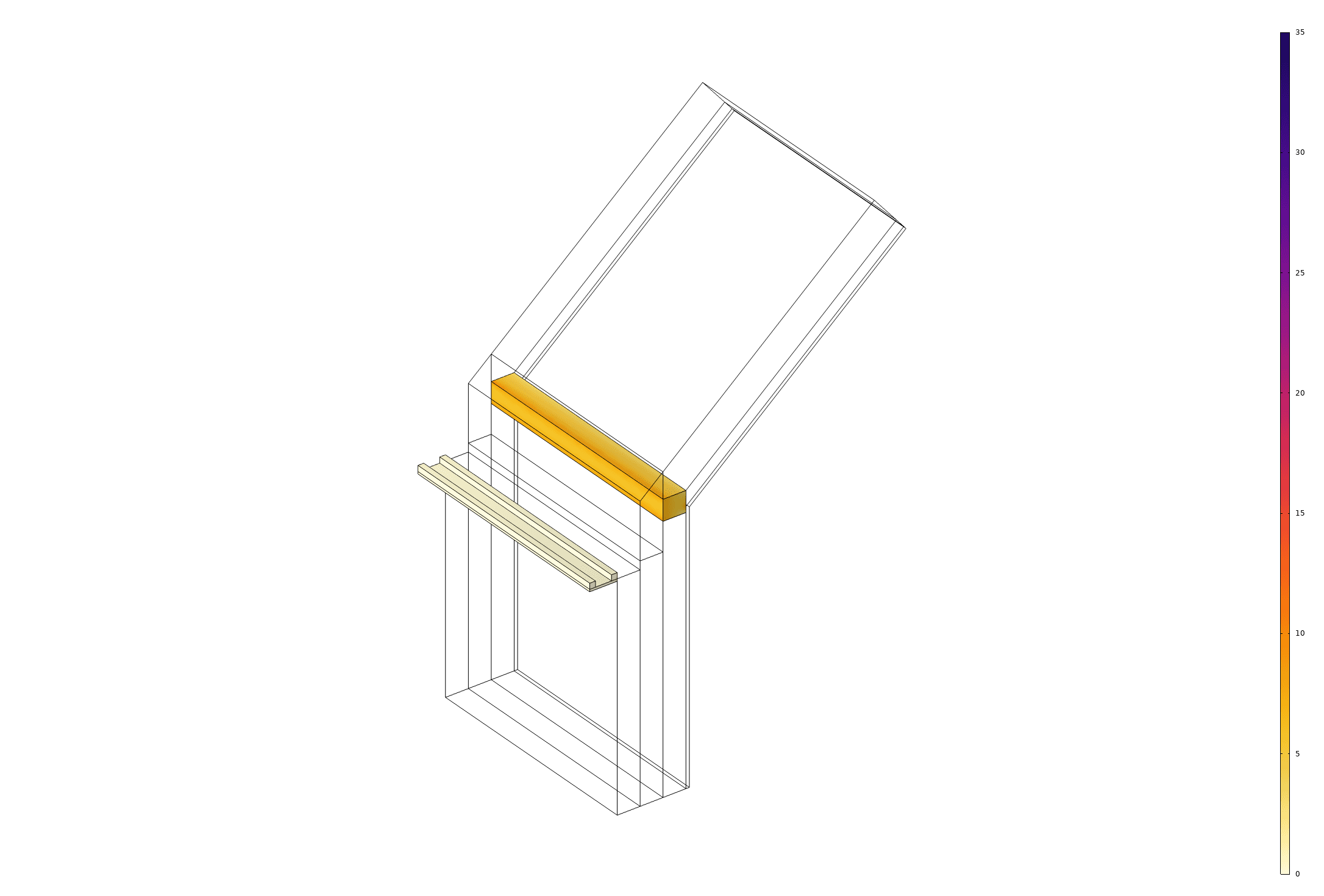
deployed_codeEaves Detail — Timber Rafter Spacing
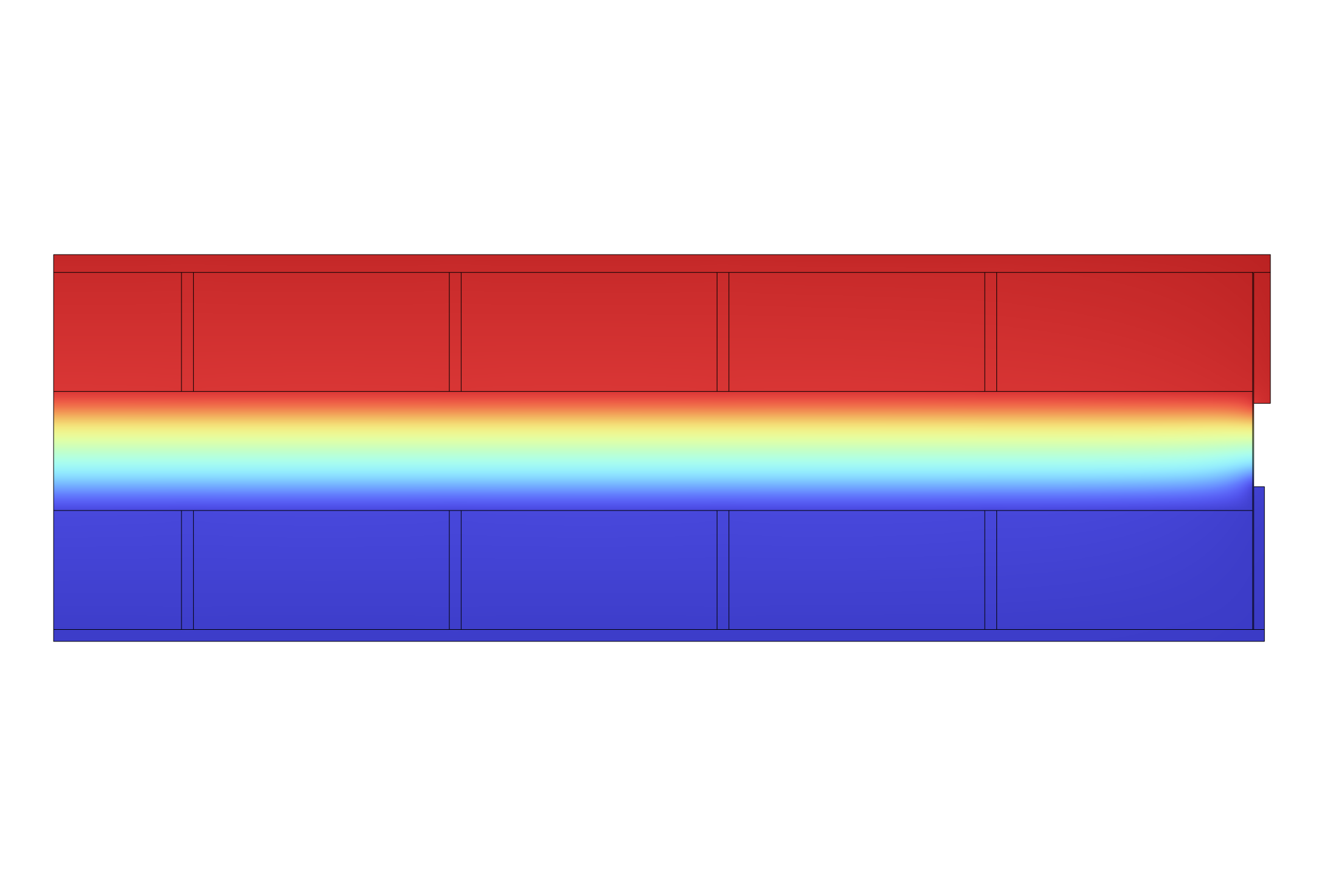
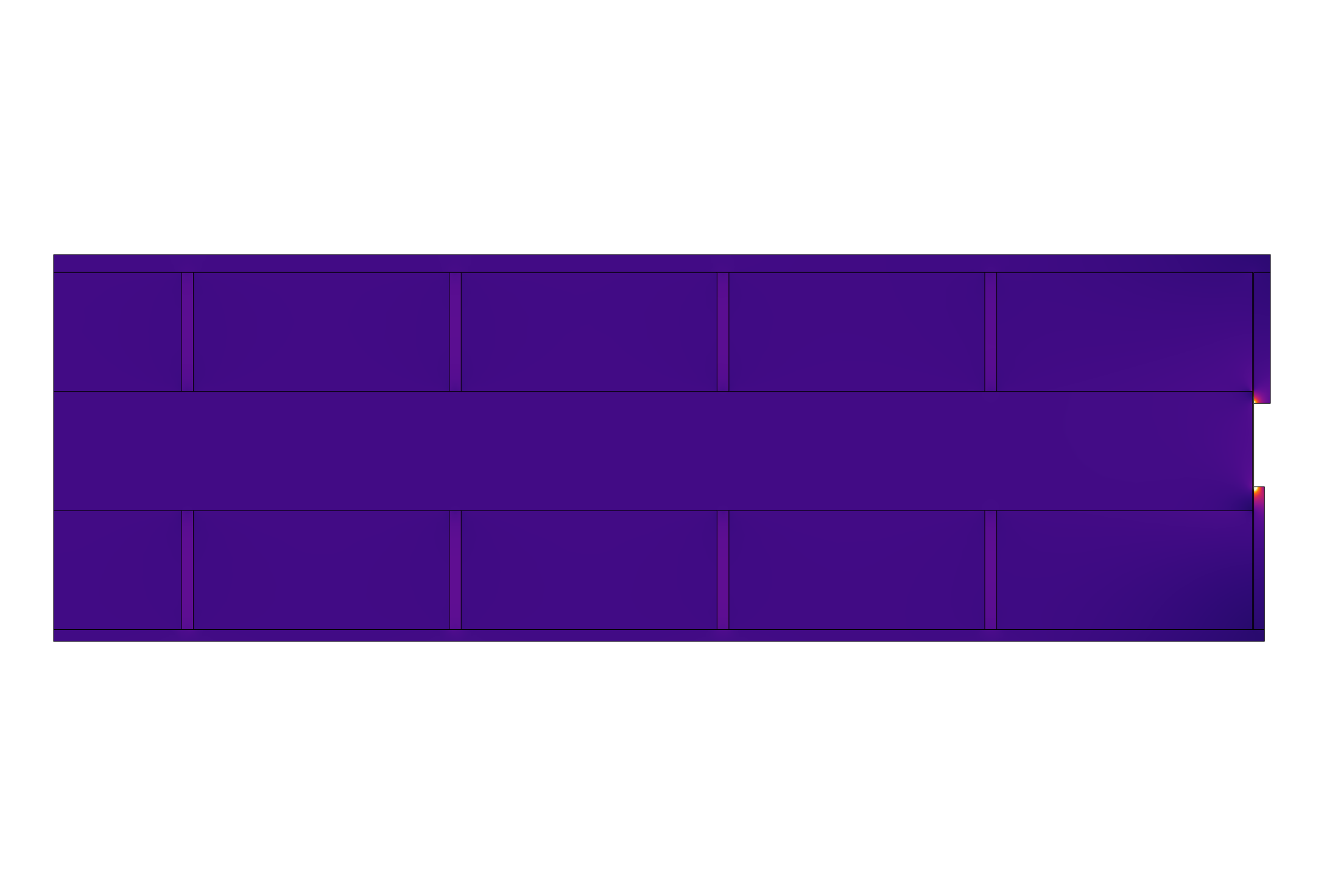
3D thermal bridging analysis comparing rafter spacing at the eaves junction. Select a case to compare its geometry, temperature distribution, and heat flux alongside the resulting linear thermal transmittance.
windowWindow Jamb Junction — Frame Position
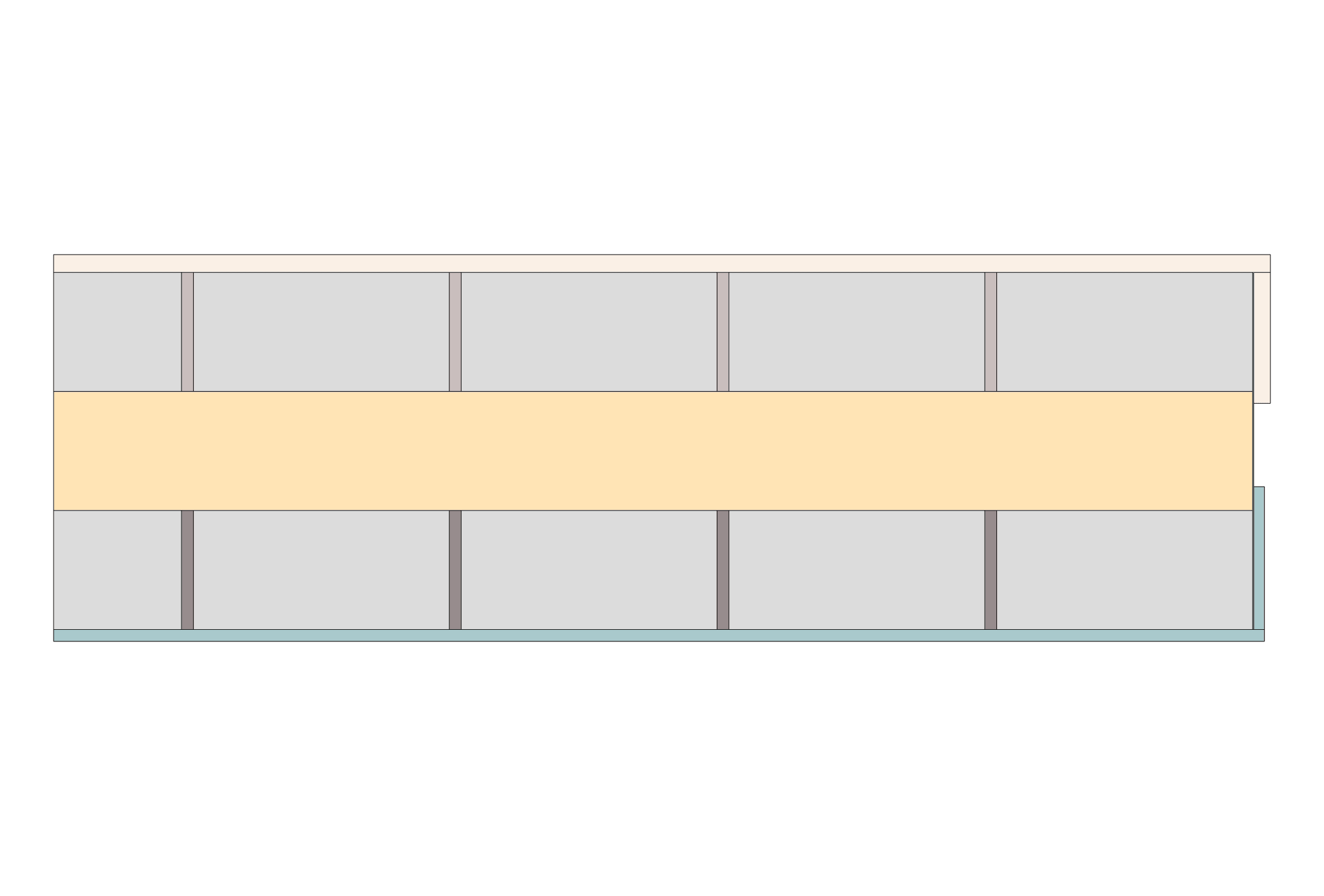
2D thermal bridging analysis sweeping the window frame across the wall insulation zone, in 5mm steps from 85mm towards the external face to 80mm towards the internal face. Best practice recommends the frame overlap the insulation by at least 30mm. Drag the slider to move the frame and compare its geometry, temperature distribution and heat flux alongside the resulting performance metrics.
Analysis Methodology
searchDefine & Abstract
Establish the physical problem, performance targets, and key variables. At this stage, the problem is simplified into a conceptual model. Early assumptions enable rapid exploration of design intent while ensuring the simulation is focused on meaningful performance outcomes rather than unnecessary detail.
deployed_codeModel & Simulate
Develop a computational model using appropriate tools and inputs—geometry, constructions, systems, and boundary conditions. Multiple design options can be tested quickly, enabling comparison and identification of high-performing strategies across different conditions.
syncEvaluate & Iterate
Analyse results against performance targets, identify discrepancies, and refine the model. Assumptions, inputs, or design parameters are adjusted, and simulations are re-run in iterative cycles. This feedback-driven process increases model fidelity and supports optimisation.